Deadline Driven
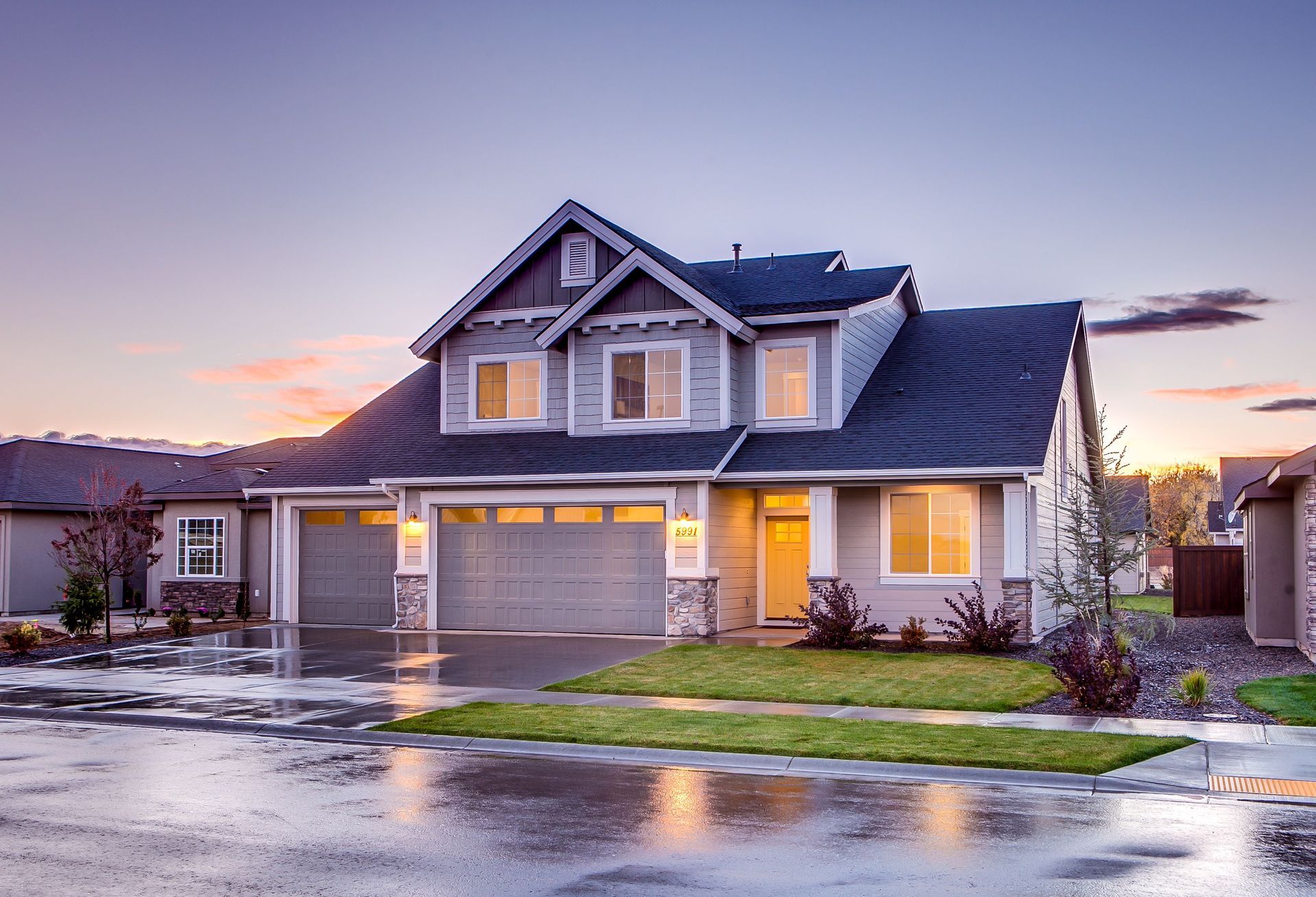
For decades, many residential builders have relied on referrals, yard signs, model homes, and local reputation to drive growth. While those fundamentals still matter, the competitive landscape has changed dramatically. Today's homebuyers expect the same level of digital sophistication, responsiveness, transparency, and professionalism that they encounter when engaging with leading commercial developers, technology companies, or national brands. The reality is simple: home builders who continue to operate with outdated systems and fragmented processes risk falling behind more agile competitors. To thrive in today's market, residential builders need to embrace commercial-level technology, marketing strategies, and operational professionalism. Today's Buyers Expect More Modern consumers are informed, connected, and impatient. Before contacting a builder, many buyers have already researched communities, compared floor plans, reviewed online ratings, explored virtual tours, and evaluated financing options. When a prospective buyer reaches out, they expect: Immediate responses Easy access to information Seamless digital experiences Professional communication Transparent project updates Unfortunately, many builders still depend on spreadsheets, disconnected software platforms, manual lead tracking, and inconsistent follow-up processes. What may have worked ten years ago now creates friction that can cost sales. Commercial real estate firms have largely recognized this shift and invested heavily in technology ecosystems that improve efficiency, communication, and customer experience. Home builders should take note. The New Competitive Advantage Is Technology Technology is no longer a back-office function. It is a competitive advantage. Leading commercial developers leverage integrated platforms for customer relationship management (CRM), project management, document control, marketing automation, business intelligence, and client communications. These investments create better visibility, stronger decision-making, and more predictable outcomes. Home builders can achieve similar benefits through: Customer Relationship Management (CRM) A robust CRM system allows builders to: Track every prospect interaction Automate follow-up communications Monitor lead sources Improve sales conversion rates Create personalized buyer experiences Without a structured CRM, valuable leads often slip through the cracks. Marketing Automation Marketing automation helps builders stay engaged with prospects throughout longer buying cycles. Automated systems can: Deliver targeted email campaigns Nurture leads based on interests Schedule content distribution Track engagement metrics Support sales teams with qualified opportunities Commercial developers routinely leverage these tools to maintain consistent communication. Residential builders should be doing the same. Business Intelligence and Analytics Data-driven decision-making is becoming essential. Builders that analyze marketing performance, website behavior, sales velocity, customer demographics, and market trends can make smarter investments and adjust strategies in real time. Guesswork is no longer a sustainable business model. Professionalism Must Extend Beyond Construction Many builders pride themselves on craftsmanship. They should. However, buyers increasingly evaluate the entire customer experience—not just the finished product. Professionalism today means: Consistent branding Well-designed websites Fast response times Clear documentation Organized communication Reliable scheduling updates Professional digital presentations Commercial firms understand that perception influences trust. Residential builders often underestimate how much credibility is gained—or lost—through digital interactions. A beautifully constructed home can be overshadowed by poor communication, delayed responses, or outdated marketing materials. Digital Experiences Are Now Part of the Product Buyers no longer separate their experience with a builder from the home itself. The customer journey often begins online and continues through digital channels long before construction starts. Forward-thinking builders are investing in: Interactive floor plans Virtual tours Online design selections Digital document management Customer portals Construction progress tracking tools These technologies not only improve customer satisfaction but also reduce administrative burdens and improve operational efficiency. Commercial developers have been deploying similar solutions for years. Residential builders that fail to modernize risk appearing outdated and unresponsive. Talent Recruitment Also Depends on Modernization Technology investment isn't just about attracting buyers. It's increasingly important for attracting employees and trade partners. Younger professionals expect modern systems, digital workflows, and collaborative tools. Companies that continue relying on paper-based processes and disconnected communication methods often struggle to recruit top talent. Professional operations signal a professional organization. Builders that embrace technology position themselves as employers of choice while improving productivity across teams. The Future Belongs to Builders Who Think Bigger The distinction between residential and commercial development is shrinking in many areas of business operations. Buyers expect enterprise-level experiences regardless of whether they are purchasing a home, leasing office space, or making any other major investment. Builders who continue treating technology as an optional expense may find themselves competing against organizations that view it as a strategic asset. The most successful home builders of the next decade will combine exceptional craftsmanship with digital sophistication, operational excellence, and customer-centric experiences.They will not simply build homes. They will build trust, efficiency, transparency, and lasting competitive advantage. The housing market is becoming more competitive, not less. Rising customer expectations, evolving technology, and increased market transparency are reshaping how buyers evaluate builders. Home builders who adopt commercial-grade technology, stronger marketing systems, and higher standards of professionalism will be better positioned to win market share, improve customer satisfaction, and drive sustainable growth. The question is no longer whether modernization is necessary.The question is whether builders will embrace it before their competitors do.

The body content of your post goes here. To edit this text, click on it and delete this default text and start typing your own or paste your own from a different source.

In the AEC industry, technical expertise is everywhere. Construction teams, architects, engineers, and project managers work daily with terms like BIM, VDC, RFIs, prefabrication, and design-build delivery methods. These concepts become second nature internally — but to many clients, they can feel unfamiliar, intimidating, or unnecessarily complex. That disconnect creates one of the biggest missed opportunities in AEC marketing today. The firms that stand out are not always the ones with the biggest portfolio or the most technical jargon. Often, they are the firms that communicate clearly, educate effectively, and make clients feel confident throughout the process. Most Clients Don’t Speak “Construction” AEC professionals spend years developing industry expertise, but clients are not construction experts — and they shouldn’t have to be. A school administrator, healthcare client, office tenant, or developer may understand their goals, budget, and timeline, but they may not fully understand: What BIM actually does Why VDC matters How RFIs impact schedule and cost The advantages of prefab The difference between design-build and traditional delivery When firms overload conversations, proposals, websites, or social posts with technical language without explanation, they unintentionally create distance between themselves and the client. Instead of building trust, they create confusion. The Best Marketing Educates The strongest AEC marketing positions a firm as a trusted advisor, not just a contractor. Education-based marketing helps clients: Understand the process Feel more comfortable making decisions Gain confidence in your expertise Trust your team earlier in the relationship This can be as simple as: Explaining acronyms in plain language Creating short educational LinkedIn posts Sharing behind-the-scenes project insights Breaking down construction processes visually Explaining “why” decisions matter, not just “what” was done When clients understand the value behind your expertise, your knowledge becomes far more impactful. Technical Expertise Is Still Important, But Translation Matters More Being technically skilled is expected in the AEC industry. Communicating that expertise effectively is what differentiates firms. For example: Don’t just say your team uses BIM. Explain how BIM helps reduce coordination issues and minimizes costly surprises during construction. Instead of: “We utilized VDC coordination throughout the project.” Try: “Using virtual coordination technology allowed the team to identify conflicts before construction began, helping reduce delays and improve efficiency in the field.” The second version communicates value, not just capability. Clients Remember How You Made Them Feel Construction projects are often stressful, expensive, and high-stakes for owners. Clients remember the firms that: Made the process understandable Helped them feel informed Simplified decision-making Communicated proactively Reduced uncertainty Clear communication creates confidence and confidence builds long-term relationships. The Competitive Advantage of Simplicity In an industry where many firms sound the same, clarity becomes a competitive advantage. Firms that consistently educate their audience through social media, proposal messaging, websites, client presentations and project storytelling are more likely to: Build stronger brand trust Improve client engagement Differentiate themselves from competitors Generate repeat business and referrals AEC marketing should not be about proving how much you know. It should be about helping clients understand why your expertise matters. The firms that win long-term are the ones that communicate clearly, educate consistently, and make complex construction concepts easier to navigate. Because the best marketing in construction doesn’t talk over clients, it empowers them.

What did the other firm have that you didn't?

Why Proposal Leads Can’t Be Replaced by AI

How can we adopt technology in a safe and secure manner without being left behind?
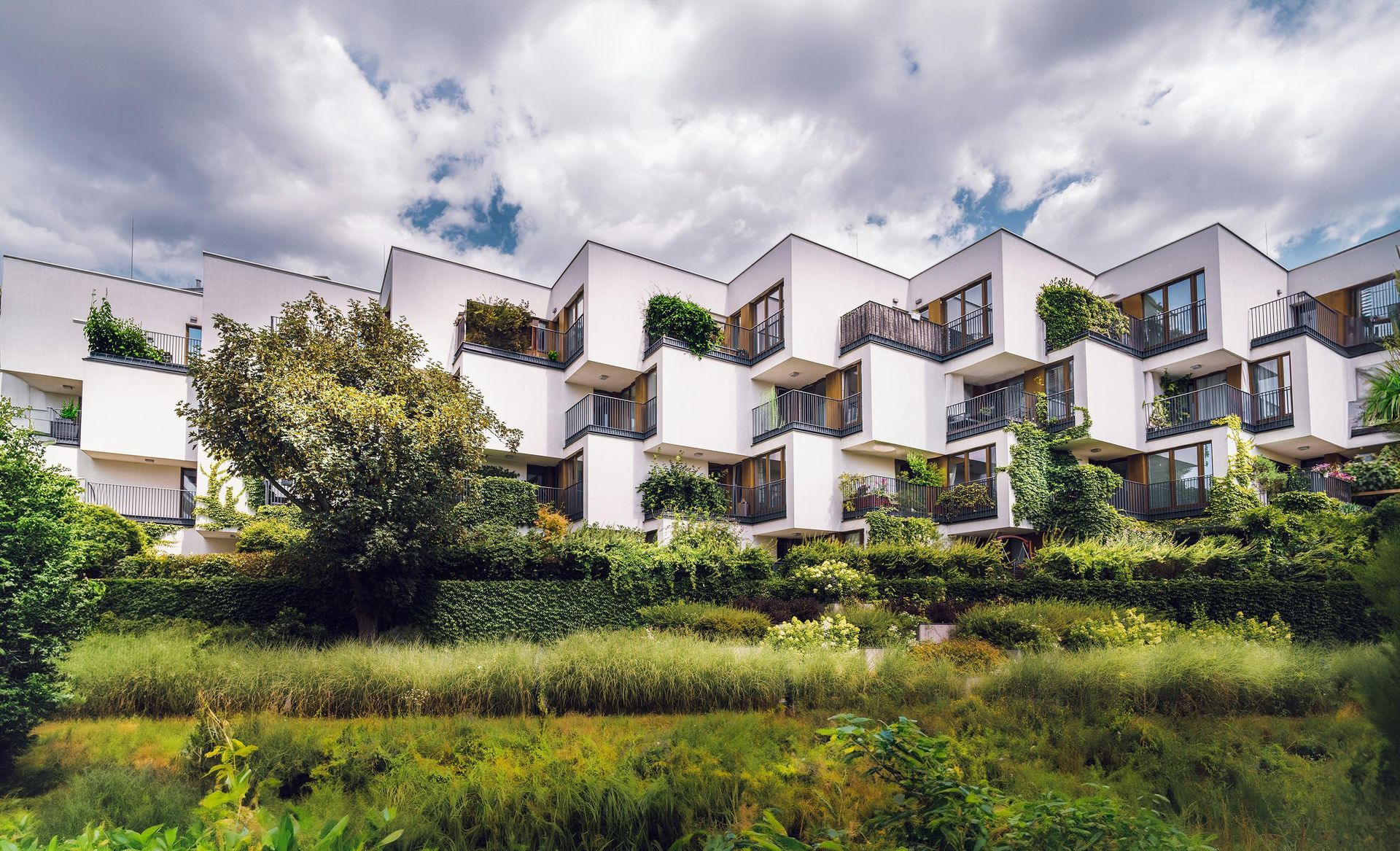
Recent data shows that more clients are thinking ahead to the lifecycle cost of the buildings they want to build. With that, proposals are requesting information about that, but what's the best way to show that your firm understands and will prioritize that planning in design. To highlight lifecycle cost analysis (LCCA) and resilience planning in a proposal, you need to show that your design approach not only meets immediate project goals but also delivers long-term value, durability, and adaptability. The key is to integrate these ideas throughout your narrative—especially in your project approach , design philosophy , and case studies —so they feel like part of your firm’s DNA, not an afterthought. Ways to emphasize lifecycle cost analysis: Frame it as a value strategy Explain how your design decisions reduce total cost of ownership, not just initial construction costs. Use phrases like “optimized for long-term performance” or “designed for operational efficiency.” Show your process Describe how you evaluate materials, systems, and energy performance over the building’s lifespan. Mention tools or methods (e.g., energy modeling, maintenance cost projections, or ROI analysis). Quantify results Include examples or metrics from past projects—such as reduced energy use, maintenance savings, or extended system life. Use visuals like charts or infographics to make data easy to grasp. Connect to client priorities Tie lifecycle analysis to the client’s goals, such as budget predictability, sustainability targets, or operational efficiency. Ways to emphasize resilience planning: Define resilience in context Explain how your design anticipates and mitigates risks such as climate impacts, natural disasters, or system disruptions. Use language that aligns with the client’s mission—“continuity of operations,” “community safety,” or “future-ready design.” Highlight design strategies Mention specific measures: flood-resistant materials, redundant systems, adaptable spaces, or passive design features. Show how these strategies enhance safety, comfort, and long-term usability. Use case studies Include examples of projects where resilience planning improved performance or reduced recovery costs. Pair visuals (diagrams, before-and-after photos) with short narratives that demonstrate outcomes. Integrate both concepts Position lifecycle cost analysis and resilience as complementary, resilient designs often lower lifecycle costs by reducing damage, downtime, and maintenance. Summarize this connection in a short, compelling statement like: “Our design approach balances upfront investment with long-term resilience, ensuring the facility performs efficiently and safely for decades.” By weaving these themes into your proposal’s storytelling, supported by data, visuals, and real examples, you demonstrate that your team designs not just for today’s needs, but for the building’s entire lifespan and the community’s future.
Why not just any old marketing firm?

Congratulations! Now What?